Source engraved metal shoelace tags for Bags, Shoes, Garments
Compare 30 listings for engraved metal shoelace tags featuring custom logos, various plating options, and durable metal construction. Buyers can evaluate specifications like thickness, shape, and production lead times to find suitable suppliers for bags, shoes, and garments; compare the available evidence and request quotations based on your requirements.
Key considerations
Products List


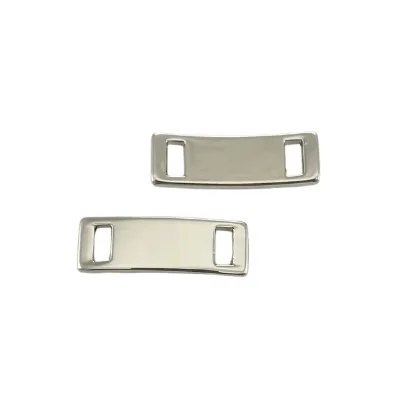
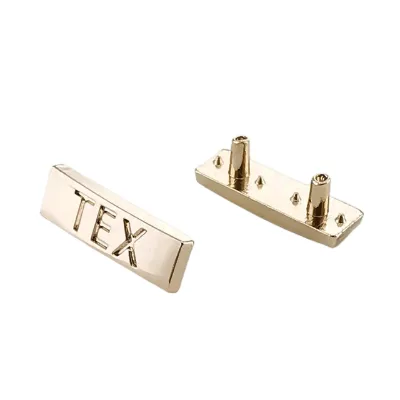


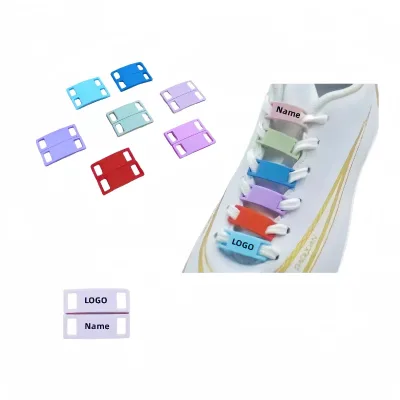
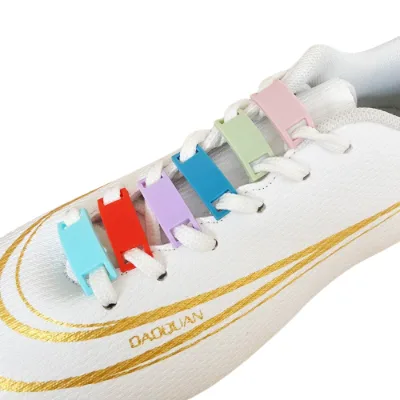


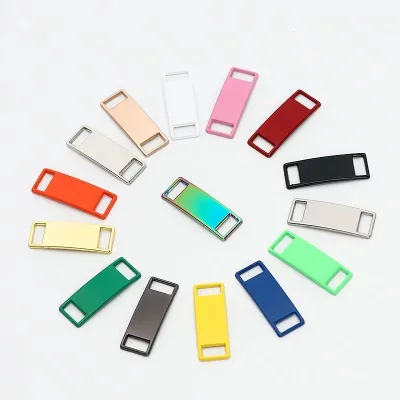
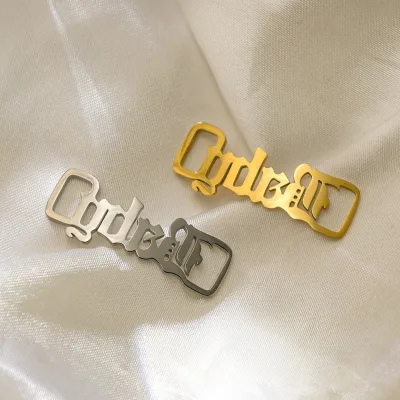
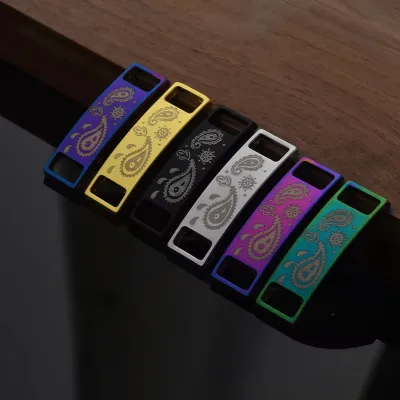


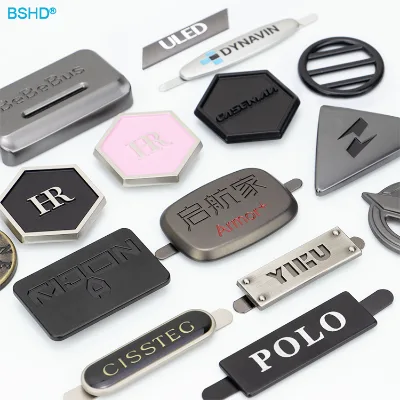


Comprehensive Sourcing Guide
Engraved Metal Shoelace Tags Sourcing Guide
Buyers evaluating engraved metal shoelace tags must first distinguish between general garment hangtags and specialized footwear accessories. The observed product data indicates a specific subset of metal tags designed with shoelace integration, featuring attributes like "Shoelace" decoration parts and assembly methods where laces pass through holes. This distinction is critical because standard garment tags often lack the structural reinforcement or hole placement required for dynamic shoe applications, potentially leading to premature failure during wear.
Procurement teams should verify that the selected supplier explicitly lists "Shoes Accessories" or "Extra Application" as a primary use case rather than relying on generic "Garment" or "Bag" classifications. The presence of specific models like "MT-03" and "PB 12" suggests a catalog of dedicated footwear components, yet buyers must confirm that the specific unit ordered includes the necessary "Metal Ring" or "Ribbon" accessories for secure attachment. Misidentifying the product type can result in receiving decorative items unsuitable for the mechanical stress of shoe lacing.
Product Scope and Observed Listing Signals
The market for these components reveals a diverse range of customization options, including plating finishes such as "Brass" and "Silver," alongside various surface treatments like "Hard Enamel," "Soft Enamel," and "Gilter." Buyers should note that while some listings describe "Ancient" styles or "Cute" aesthetics, the core functional requirement remains the durability of the metal tag under tension. The observed "Feature" attributes, including "Magnetic," "Flashing," and "3D" effects, indicate that suppliers offer decorative enhancements, but these must not compromise the structural integrity required for shoelace threading.
Commercial listings frequently display a wide MOQ range from 1 to 5000 units, with specific product data citing an MOQ of 1000 pieces for certain models. This variance suggests that buyers can source small batches for prototyping or large volumes for mass production, provided they align with the supplier's specific production capacity. The "Customized" status is prevalent, allowing for logo integration and size adjustments, yet the "Diameter" specification of 6cm or custom dimensions requires precise verification to ensure compatibility with existing shoe eyelet systems.
Technical Specifications to Verify
Dimensional accuracy is paramount when sourcing metal tags for footwear, as the "Thickness" of 2mm and specific "Shape" configurations like "Triangle" directly impact the tag's ability to slide through laces without snagging. Buyers must confirm that the "Diameter" or overall footprint matches the intended shoe design, as a mismatch can cause the tag to detach or damage the lacing material. The "Process" capabilities, including "Printed," "Debossed," and "Embossed" techniques, should be validated against the desired aesthetic to ensure the final product meets the brand's visual standards.
Assembly mechanics are equally critical, with the "How to Assemble" instruction specifying that shoelaces must go through designated holes. Suppliers offering "Metal Ring" or "Ribbon" accessories must ensure these components are compatible with the tag's "Attachment" method, which is often a "Tie Tack" or similar mechanism. Verification of the "Characteristic" such as "Recyled" materials is necessary for sustainability goals, but the primary focus must remain on the physical robustness of the "Decoration Part" to withstand the friction of daily shoe use.
Compliance and Safety Documentation
Safety compliance is a non-negotiable aspect of sourcing metal accessories for consumer footwear, particularly regarding skin contact and chemical exposure. The observed product data explicitly mentions "Lead Free / Nickel Free / No Poisonousness" as a key attribute, which aligns with general safety expectations for wearable items. Buyers should request specific test reports confirming these claims, as the "Health Influence" of the metal plating and any enamel coatings must be verified to prevent allergic reactions or toxicity issues for end-users.
While the provided context lists "CE" as a standard, buyers must treat this as a reference point rather than a guaranteed certification for every listed item. The "Standard" field also references specific dimensions like "29x11.5mm," which may be a product specification rather than a regulatory standard. Procurement teams should verify if the supplier holds valid RoHS or other relevant regional certifications, ensuring that the "Plating" and "Process" materials used in production meet the safety regulations of the target export market.
Cost Drivers and Commercial Terms
Pricing for engraved metal shoelace tags is influenced by the complexity of the "Process," such as the choice between "Hard Enamel" and "Soft Enamel," as well as the "Plating" material selected. The observed price range of 0-150 USD suggests significant variability based on customization levels, with intricate designs or special finishes commanding higher unit costs. Buyers should analyze the cost structure relative to the "MOQ," as higher volumes often reduce the per-unit price, but the initial investment must be balanced against the specific "Custom Service" requirements like logo placement and unique packaging.
Lead times and logistics are significant cost drivers, with production windows ranging from 7-12 days to 10-15 days depending on the order complexity. The "Sample Time" of 5-7 days or 7-10 days adds to the total timeline, requiring careful planning to avoid delays in product launches. Shipping options like "Express," "DDP by Sea," or "by Air" offer flexibility but introduce variable freight costs; buyers must calculate the total landed cost, including the "Packing" requirements of "Carton" or "Strong Export Cartons," to ensure the final price remains competitive.
Supplier Qualification and Quality Control
Supplier qualification should focus on their ability to deliver consistent "Customized" products with precise "Technics" like "Plated" finishes and accurate "Pattern" execution. The "Production" capability of 7-12 days indicates a need for efficient workflow management, and buyers should assess the supplier's track record for meeting these timelines without compromising quality. Verification of the "Origin" in Zhejiang, China, or other specified locations can provide insight into the local supply chain maturity and the supplier's familiarity with export requirements for metal accessories.
Quality control protocols must address the specific risks associated with metal tags, such as plating adhesion and hole reinforcement. Buyers should request samples to test the "How to Assemble" process, ensuring that the "Shoelaces Go Through Holes" mechanism functions smoothly without tearing the lace or damaging the tag. The "Feature" attributes like "Barcode" or "Anti-counterfeit" capabilities require functional testing to confirm that these elements are durable and legible after repeated use, ensuring the tag remains effective throughout the product's lifecycle.
Long-Term Procurement Checks
Sustaining a successful supply chain for metal shoelace tags requires regular audits of the supplier's ability to maintain consistent "Custom Service" levels over time. Buyers should monitor the "Sample Time" and "Bulk Time" consistency, as delays in future orders can disrupt production schedules and inventory planning. Establishing a clear communication channel for "Logo / Size / Packing" changes ensures that the supplier can adapt to evolving brand needs without requiring a complete requalification process for every minor adjustment.
Long-term partnerships should also include periodic reviews of the "Product" quality against the original specifications, particularly regarding the "Characteristic" of being "Recyled" or the durability of the "Plating." As market trends shift, the supplier's ability to innovate with new "Process" techniques like "Glow in Dark" or updated "Shape" designs will be a key differentiator. Regular performance reviews will help identify any drift in quality or compliance, ensuring that the engraved metal shoelace tags continue to meet the brand's standards for safety, aesthetics, and functionality.
FAQs
What customization options are available for these tags?
Customization is available for logo, size, and packing details. You can request specific plating like brass or silver, along with embossed or debossed patterns. The product supports custom shapes and sizes to meet your unique branding needs for garments or bags.
How long does production take for bulk orders?
Bulk production typically requires 7 to 15 days depending on the order specifics. Sample time is usually 5 to 10 days before mass production begins. This timeline ensures quality control while meeting your delivery schedule for garment or bag accessories.
Can I get samples before placing a large order?
Yes, sample support is provided to verify quality and design before bulk production. Samples generally take 5 to 7 days to prepare. This allows you to check the metal material, plating finish, and custom logo application on the shoelace tags.
What certifications do these metal tags meet?
The products meet CE standards and are designed to be lead-free, nickel-free, and non-poisonous. These safety features ensure they are suitable for use on garments, shoes, and bags without causing health issues for the end consumer or wearer.
Which shipping methods are available for delivery?
Shipping options include express, air, and sea freight, with DDP services available. You can choose based on urgency and budget. The logistics support ensures safe delivery of your custom metal tags to your location from the manufacturing origin in China.
What is the minimum order quantity for these tags?
The minimum order quantity is 1000 pieces for standard orders. However, some listings may accept lower quantities starting from 1 piece for samples or small batches. This flexibility helps buyers test the market before committing to larger production runs.
How are these tags attached to shoelaces?
The tags are designed with holes for shoelaces to go through directly. They function as decorative accessories that hang securely on the laces. This simple assembly method ensures the metal tag stays in place while adding a stylish element to shoes or bags.